
What is a wellness retreat? Moving beyond the standard experience
A wellness retreat is, at its simplest, a deliberate pause. Time set aside to step away from the conditions of daily life and give your body and mind the space to recover, reconnect, or reset.
Most people arrive at the idea through something specific. Sleep that has not been right for months. A body that is exhausted in a way that a weekend away cannot fix. A need to step away from the screen and actually feel present somewhere. Others come with something different: a life transition they want to think through clearly, a group of friends they want to spend real time with, a sense that this is the moment to reconnect with themselves and what they actually want.
Today a wellness retreat can take many different forms. A fasting or nutrition protocol in a quiet, supported space. A week of pilates, cold water and mountain walks. A digital detox by the sea. A private programme built from scratch around one person's health history and longevity goals.
It can also mean something more personal: a group experience for women who want to connect deeply, reset, and leave feeling like the best version of themselves. A bachelorette that is less about the party and more about the person. A residential format for a leadership team that needs space to think clearly.
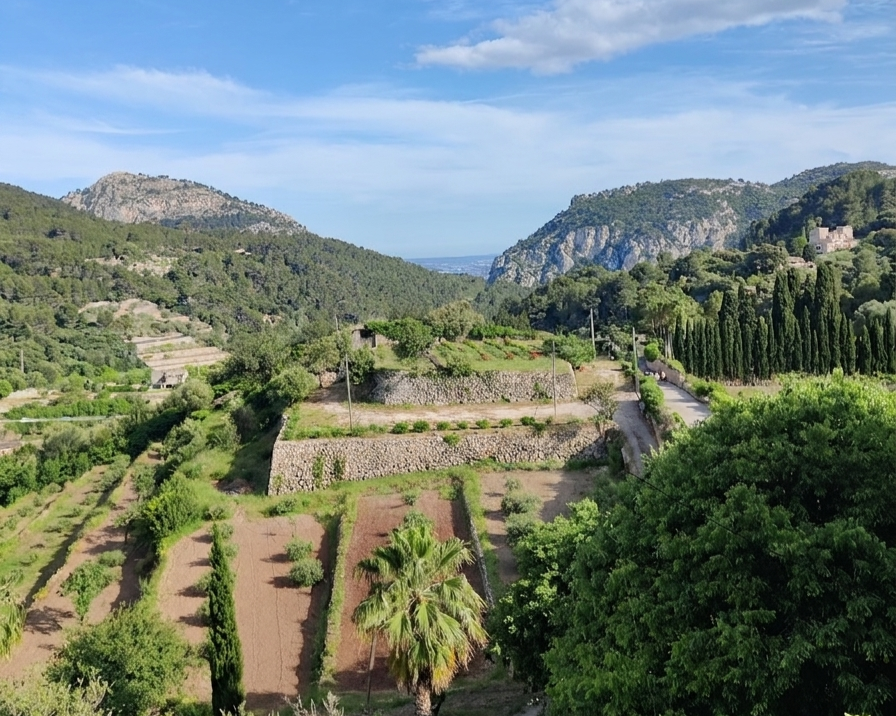
What unites these experiences is not the format or the setting. It is the intention: to create the right conditions for something to genuinely shift. And the right conditions are not the same for everyone.
So what separates an experience that produces that shift from one that simply provides a pleasant break?
The spectrum: from wellness holiday to orchestrated reset
Every one of these formats, from a yoga retreat in a beautiful finca to a week-long digital detox by the sea, can be genuinely valuable. There is real benefit in stepping away, moving your body, eating well and sleeping without an alarm.
The question is not whether these experiences are good. They are. The question is whether they are right for you, specifically, at this point in your life.
For someone who needs structure and community, a group yoga retreat in Mallorca can be transformative. For someone whose nervous system has been running on high alert for years, a packed schedule in a beautiful setting may not produce the recovery they are actually looking for.
A wellness retreat in Mallorca should not be about fitting you into a pre-packaged timetable, however lovely. It should be about designing the conditions where your specific system can actually thrive. The stone paths are beautiful. The olive groves are extraordinary. But they are the setting. What makes a retreat work is everything around them: the rhythm, the food, the people, the silence, the space between activities.
Understanding where you are on that spectrum is the most useful thing you can do before booking anything.
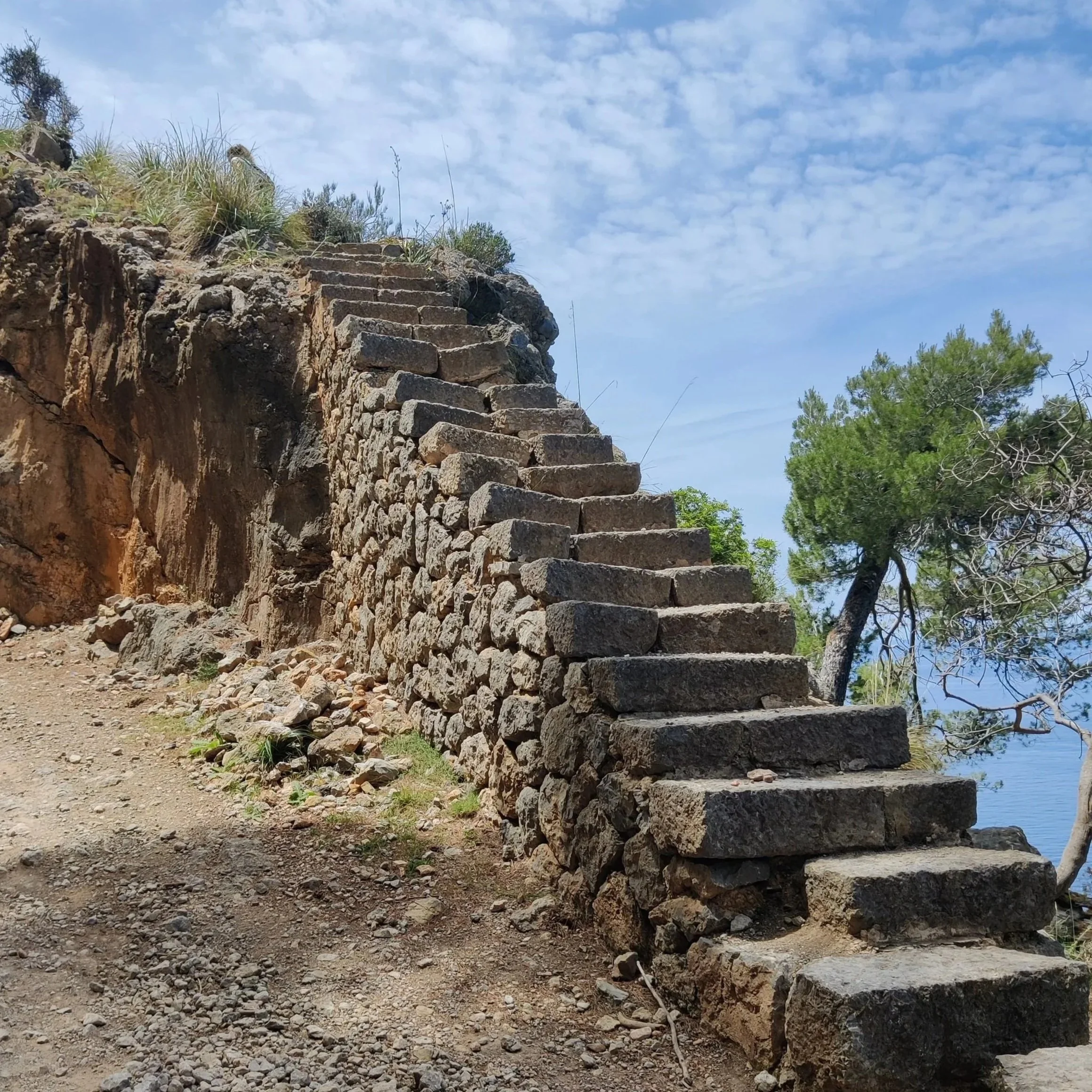
The paths of Mallorca's Serra de Tramuntana: a reminder that true recovery isn't about reaching a destination quickly. It is about the deliberate, step-by-step transition from the noise of daily management to the quiet of systemic restoration.
What a wellness retreat actually is
At its core, a wellness retreat is a deliberate interruption. Not from your life, but from the conditions in your life that are preventing your body and mind from recovering.
Those conditions vary. For some people it is chronic stress and a nervous system that has been running on high alert for years, accumulating what researchers call allostatic load: the biological cost of sustained pressure. For others it is a loss of rhythm: disrupted sleep, disconnection from natural light, meals eaten between meetings. For others still it is the subtler exhaustion of always being available, always deciding, always managing.
A well-designed retreat addresses the specific conditions present in your body and life, whatever those are.
The research behind this has been building for decades. Environmental psychologists Rachel and Stephen Kaplan found that genuine mental recovery requires environments that engage attention without demanding it, what they called soft fascination. A walk along a quiet coastline at dawn does this naturally. So does sitting under an olive tree with no agenda, or swimming in a cove with no phone. These are not small things. They are the conditions the nervous system needs to shift.
Rest removes you from the source of stress. Systemic restoration changes something in the underlying system itself. A long-term study from the University of Tampere , which tracked participants' wellbeing across several years, found that the positive effects of a holiday on wellbeing can fade within two to four weeks of returning. A retreat designed around genuine restoration tends to produce something that holds longer, because it addresses the conditions, not just the distance from them.
Intentional rest versus escapism
There is a useful distinction between escapism and intentional rest.
Escapism moves you away from something. Intentional rest moves you toward something: a specific state of recovery, reconnection or clarity. The destination matters, but it is not the point. The point is what the environment makes possible.
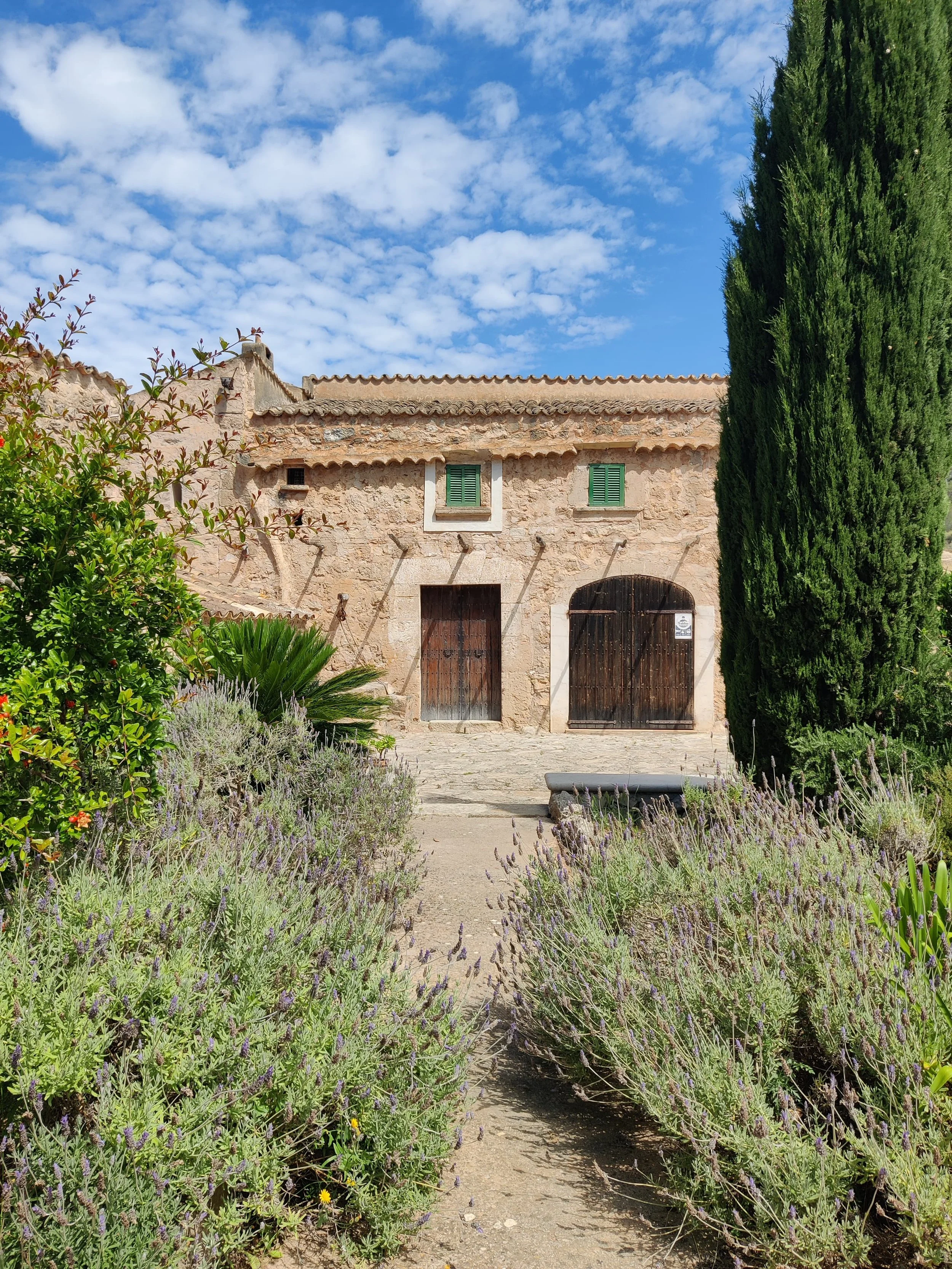
Traditional Mallorcan possessió
In Mallorca, that environment is extraordinary. The quality of morning light here helps regulate the circadian rhythm. The proximity to the sea, the silence of the interior, the air, the pace: these are not aesthetic choices. They are biological ones.
The Tramuntana, the coves, a traditional possessió, the local markets where you eat the way the island actually eats. None of this is decoration. In a well-orchestrated retreat, it is all part of the design. Mallorca does not just provide a backdrop. It works.
Types of wellness retreat, and how to find yours
Not all wellness retreats serve the same need. Understanding the difference is the first step to finding what is actually right for you.
Private bespoke retreats. A private bespoke wellness retreat designed entirely around one person. Every practitioner, every session, every meal is curated from scratch to match your specific rhythm, health history and goals. The therapists and specialists involved are chosen for what you want to work on, not for their availability. Nothing comes from a catalogue.
Group retreats. Where the logistics fade into the background, allowing a facilitator and their community to connect deeply without the noise of production getting in the way. When done well, the group dynamic becomes part of the experience.
Longevity and integrative health retreats. For those following a medical or functional health protocol who need their environment to actively support the work they are doing, not quietly undermine it. The retreat becomes an extension of the protocol, not a pause from it.
Wellness bachelorettes and women's retreats. For groups of women who want to celebrate or reconnect in a way that feels meaningful: a few days built around movement, nourishment, presence, and the kind of conversation that only happens when you slow down. Less about the party, more about arriving home feeling genuinely well.
Brand experiences and group productions. For brands and communities looking to create something meaningful in Mallorca. A product launch, an influencer residency, a gathering for your community: when the experience is built around genuine wellness and the culture of the island, it becomes something people carry with them long after it ends.
Corporate and executive offsites. For executives, leadership teams and broader company groups looking for something more intentional than a standard away day: a setting where real alignment, strategic clarity, and focused thinking can actually happen.
Each of these requires a different design. What they share is the same underlying principle: the experience must be precisely built around a specific purpose and a specific person or group. Not assembled from what happens to be available.
The question worth asking before you book
Before committing to any wellness retreat, one question is worth asking clearly: is this experience designed around me, or am I being fitted into something that already exists?
If you have spent your life managing teams, projects, and high-stakes decisions, why would you let a pre-packaged timetable manage your recovery?
It is also worth asking who is actually designing the experience. A general travel agency or a standard retreat booking platform can easily book villas, arrange transfers, and reserve restaurant tables. But creating a retreat that truly transforms requires someone who speaks the language of health, someone who understands why the environment matters biologically, and who has built an exclusive network of practitioners and spaces chosen strictly for their energy and quality, never just their availability. The deep sensitivity of an experience, and the seamless way each element connects to the next, is not something that can simply be sourced from a catalogue.
At Med Reset, we do not fit you into a pre-packaged schedule. We orchestrate the space for a genuine transition: from doing to being, from managing to recovering, from presence on a screen to presence in a place. Whether you are looking for a deep personal reset, a trusted partner to produce a retreat for your community in Mallorca, or a restorative offsite where your team finds something real, the process is the same: the experience is built entirely around you.
Signs you are ready for a wellness retreat
You do not need to be in crisis to benefit from a retreat. But there are moments when the timing is right, and they tend to look like this.
Sleep has not been right for months. Not dramatically broken, just consistently shallow or unrestorative. The kind of tiredness that a weekend away no longer fixes.
You are always available but rarely present. At work, in conversations, with yourself. The connection is there but the quality is not.
You are at a transition. Something has ended or something new has not yet properly started, and you need space to think without the noise of daily life getting in the way.
You are following a health or longevity protocol but your environment is quietly undermining it. The work you are doing with your practitioner deserves a setting that actively supports it, not one that pulls in the opposite direction.
You cannot remember the last time you did something entirely for yourself. Not for work, not for family, not for a goal. Just for you.
Any one of these is reason enough.
