
What is a longevity retreat? The biology of living well for longer
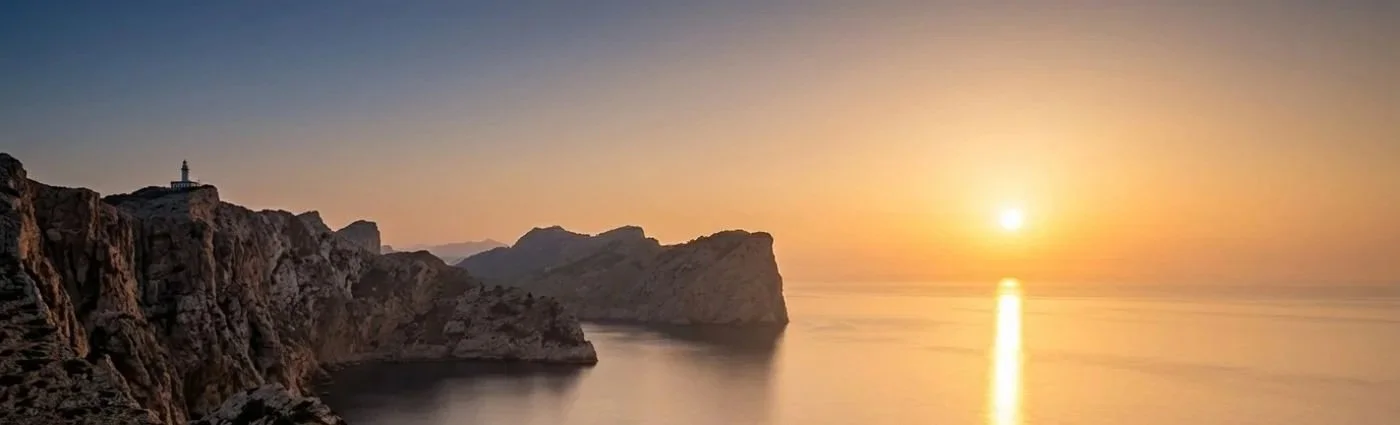
There are two versions of the future that most of us carry somewhere without examining them too closely. In one, you are active at seventy-five: hiking with people you love, swimming in the sea, making decisions that matter. Your body does what you need it to do. In the other, you are managing what your earlier years left behind: limited mobility, chronic fatigue, the accumulated cost of a life lived at full speed without sufficient recovery.
The difference between those two futures is not primarily genetic. It is not luck. It is the quality of the conditions you gave your body and mind during the years when you still had full choice about it.
That is what longevity actually means. Not the number of years you live. The quality of the ones you live well.
A longevity retreat is a deliberate period of immersive practice: a week designed to give your body the conditions it needs to recover, reset and begin building the habits that hold once you return home. Not a holiday. Not a spa break. A structured environment where the science of living well becomes something you can actually experience rather than simply read about.
See how Med Reset designs and produces bespoke longevity experiences in Mallorca.
Longevity, biohacking and what the science actually says
The research on longevity has shifted significantly in the past two decades. The focus has moved away from disease treatment and toward what scientists now call healthspan: the number of years in which you are genuinely well, cognitively sharp, physically capable and emotionally resilient, not just technically alive.
The word biohacking has entered that conversation and become common enough to mean almost anything. At its most useful, it describes the same thing the research has always described: the deliberate use of evidence-based practices to optimise how the body and mind function. Not shortcuts or supplements in isolation. The foundational conditions: light, food, sleep, movement, stress, connection, nature and inner work. These are the things that compound over time. A week inside the right environment is one of the most powerful ways to experience all of them together.
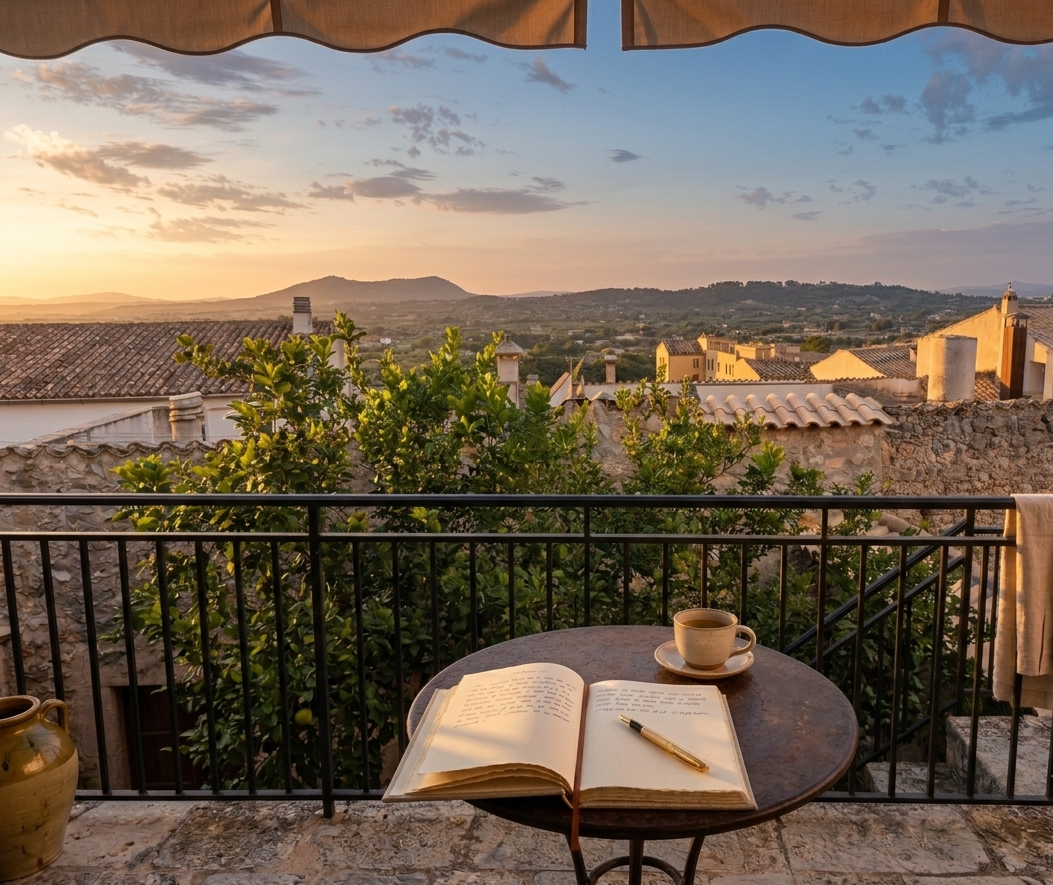
The levers of healthspan are not mysterious. They have been studied extensively, and the findings point consistently in the same direction: how you live matters more than what you inherit, and the conditions you create for your body and nervous system determine far more of your future health than most people realise.
Modern medicine is designed around one thing: treating conditions once they have already appeared. Longevity works in the opposite direction. It begins before there is anything to treat, in the conditions you create for your body long before the system has reason to fail. The capacity for self-regulation is not something you add from the outside. It is what is already there, waiting for the right conditions to activate it. The work is not to force anything. It is to stop working against it.
The pillars of longevity, and what quietly disrupts them
Light and circadian rhythm
In 2017, the Nobel Prize in Physiology or Medicine was awarded to three scientists for their discovery of the molecular mechanisms controlling circadian rhythms: the internal biological clock that governs sleep, metabolism, hormonal regulation, immune function and cognitive performance. Every cell in the human body runs on this clock, and the clock is set primarily by light: the quality, timing and intensity of the light you are exposed to throughout the day.
Morning sunlight, rich in the natural spectrum that signals to the body it is time to be alert, is the most powerful circadian input available. Screens, artificial light at night and the absence of natural daylight disrupt this system in ways that affect everything from sleep quality to metabolic function to mood. Most people living in cities are chronically under-exposed to natural morning light and over-exposed to artificial light in the evening. The biology does not adapt. It simply runs less well.
Food, timing and metabolic health
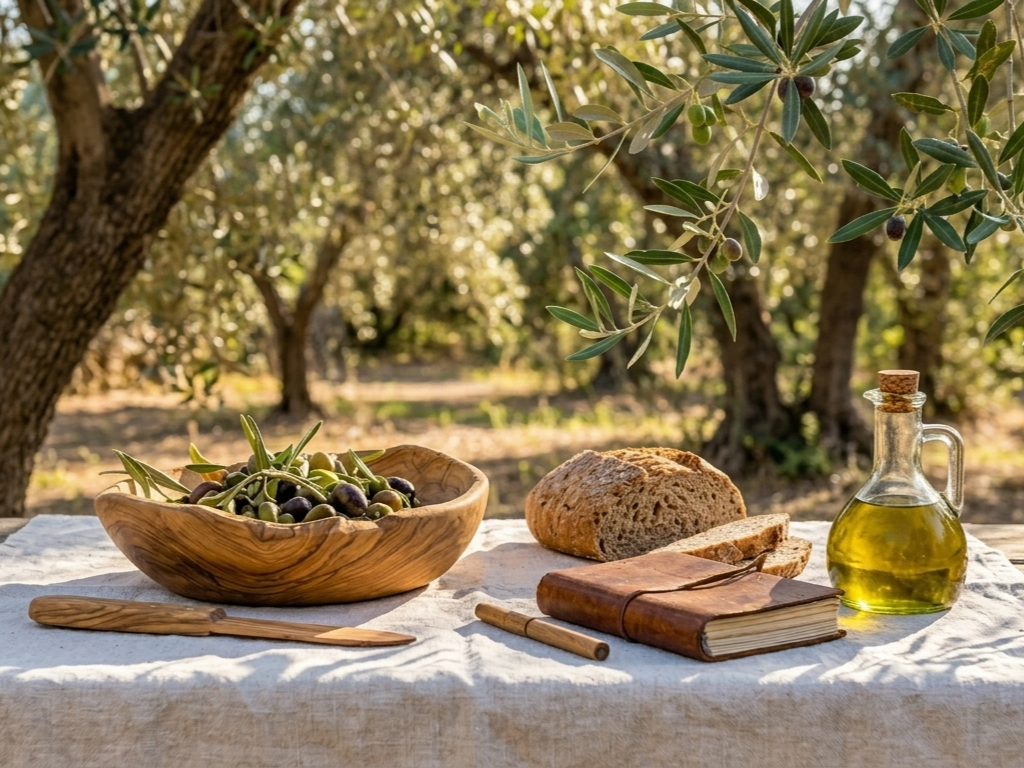
The Mediterranean diet is the most extensively studied dietary pattern in longevity research. A 2024 review published in Nutrients found it consistently associated with healthy ageing, reduced inflammation, improved metabolic function and lower rates of chronic disease across multiple populations. But when you eat is as important as what you eat. Eating in alignment with the body's metabolic rhythms, concentrating nourishment during daylight hours and allowing genuine fasting windows overnight, supports the cellular repair processes that protect health across decades. For people navigating metabolic imbalance, hormonal changes or the kind of weight management that diets alone do not resolve, the foundational approach is the same: when sleep, stress, circadian rhythm and nutrition are working together, the body's metabolic function tends to follow. A longevity retreat addresses these conditions simultaneously, which is something a calorie-restriction protocol on its own cannot do.
Cold and heat
Whole-body cold exposure and sauna use have accumulated a substantial body of research. A 2024 comprehensive review in the journal Temperature found that passive heat therapy, particularly regular sauna use, has multifaceted benefits for healthspan including cardiovascular protection, reduced inflammation and improved nervous system regulation. Cold water immersion adds a complementary layer: direct exposure to cold water in a natural setting, the sea, a river, an outdoor pool at dawn, activates physiological responses that the body rarely accesses in modern daily life. These are not wellness trends. They are ancestral practices that a well-designed retreat can restore as a functional part of daily rhythm.
Movement
Not only cardiovascular exercise, but functional strength, mobility and the kind of physical engagement that prepares the body for decades of use. Movement in natural environments adds a layer that a gym cannot replicate: walking through a landscape that does not demand anything from you restores attentional capacity in ways that compound with everything else happening during the week.
Stress regulation
Chronic, sustained stress is one of the most significant drivers of accelerated biological ageing. Not occasional pressure, which the body is designed to manage. Sustained, low-grade, unresolved pressure that keeps the nervous system in a state of alert without sufficient recovery. Breathwork, vagal nerve regulation, meditation, deliberate nervous system down-regulation in the evening: these are not optional extras. They are the maintenance the body requires and rarely receives.
Social connection
The US Surgeon General's 2023 advisory on loneliness and isolation described social disconnection as a public health crisis. Research by Julianne Holt-Lunstad found that loneliness and social isolation carry health risks comparable to smoking fifteen cigarettes a day. The quality of your relationships and the depth of your connection to people you trust is one of the strongest predictors of long-term health. Not a soft factor. A biological one. A retreat that includes genuine connection, whether with a practitioner who sees you clearly, with a small group of people in a similar moment, or simply with yourself in conditions that allow real reflection, addresses this directly.
Nature and the senses
Time in natural environments affects the nervous system in ways that urban environments cannot match. Sunrise and sunset exposure anchors the circadian rhythm. Proximity to water changes the quality of attention. Forest bathing and direct contact with natural ground, what researchers call grounding or earthing, is an emerging area of study showing effects on inflammation, cortisol regulation and sleep quality. Walking through landscape with no agenda quiets the mind in a way that scheduled rest does not. These are not wellness additions. They are what the body was designed to receive, and that modern life has largely removed.
Inner work
Longevity is not only physical. The capacity to sit with difficulty rather than move away from it, to feel what is happening rather than suppress it, to know what you actually want and make space for it: these affect long-term health in ways that are measurable. A retreat creates the rare conditions for this kind of reflection. The silence, the time, and the absence of the usual demands that make it easy to postpone looking inward.
Why knowing all of this is not enough
Most people who are serious about their health already know most of what is above. They follow the research, listen to the podcasts, buy the devices. And then they return to a morning where the first light they see is a phone screen, where meals happen between meetings, where the nervous system never fully comes down.
The gap is not information. It is conditions.
A longevity retreat changes the conditions. For a week, every element of the environment, the light you wake up to, the food on the table, the pace of the day, the access to cold water and open air, the quality of the silence in the evening, is actively working in your favour instead of against you. The biology responds. Habits begin to form in a context where they feel natural rather than effortful. And what you come home with is not just rest. It is a reset in how your system is running, and a direct experience of what it actually feels like when the conditions are right.
Why Mallorca
Mallorca provides, in a single island, a concentration of conditions that are genuinely difficult to find together elsewhere in Europe.
Most people who have visited know one version of the island: the summer coast, the beaches, the easy pleasures of a Mediterranean holiday. That version is real, and it has its appeal. But the Mallorca that matters for longevity is a different place entirely, and most visitors never access it.
The morning light here carries a different quality from what most northern Europeans and North Americans experience in daily life: rich in the natural spectrum that sets the circadian clock and regulates the body's rhythms for the day. The food culture, when you eat where the island actually eats, is built on olive oil, fish, seasonal vegetables from weekly markets, and the kind of unhurried table that makes a meal a social act rather than a fuel stop. Local bodegas and small producers have kept this culture intact in a way that makes it easy to eat in genuine alignment with the principles longevity research consistently supports. The sea is accessible. The landscape is varied and quiet. The pace of life outside of August slows in a way that most bodies notice within twenty-four hours of arriving.
The island also has a serious and growing community of practitioners across integrative medicine, functional health, movement, bodywork and anti-aging medicine: professionals who bring a level of expertise that goes well beyond what a standard retreat programme can access. Working within that network is what makes a luxury health retreat in Mallorca a different proposition from a longevity clinic, and a private longevity retreat in Spain something with a quality of environment that a medical centre alone cannot replicate.
What a longevity retreat looks like, and why it has to be built around you
A longevity retreat is not a fixed programme. It starts with understanding where you specifically are: your current health markers, your sleep patterns, what your body has been carrying, what you want to change. From there, the week is built.
For some people, the focus is sleep restoration and nervous system regulation. For others, metabolic and hormonal health, with clinical assessment and targeted interventions alongside the retreat environment. The most precise version of this is when the retreat is designed in coordination with a longevity clinic: where the environment and the clinical expertise work together rather than one replacing the other. For others, recovery from a sustained period of high demand. The week looks different each time, because the person does.
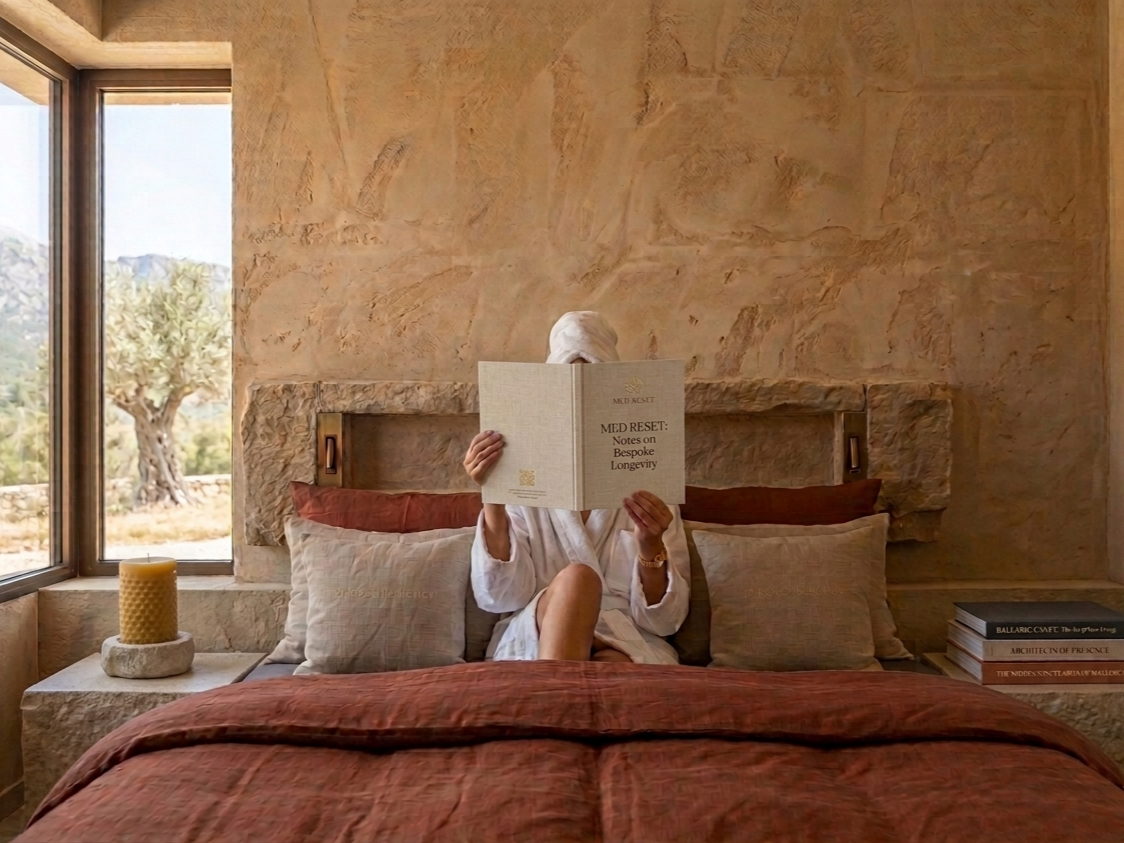
For some, the most useful starting point is not a feeling but a number. Sleep architecture, hormonal baselines, inflammatory markers, metabolic function: the data that shows where the system actually is, not where it seems to be. When a retreat is built around that kind of information, the week becomes something more precise, and the changes that follow tend to hold differently. The next entries in this Journal explore what that looks like in practice.
What does not change is the approach: the environment, the food, the practitioners involved and the rhythm of each day are all designed to work together. Not assembled from what happens to be available. Built around what is specifically needed.
Translating this science into a week that actually delivers requires something different from what a travel company or hotel concierge can offer. It requires someone who understands what the research says, knows how to sequence an environment so that each element reinforces the others, and has the professional network to bring in the right practitioners for the right person at the right moment. The difference between a well-organised week and one that produces a genuine reset is the depth of knowledge behind the design. That is not logistics. It is a discipline.
If you are ready to explore what a longevity retreat in Mallorca could look like for you, the first step is a conversation.
